 Start With Us
Precision Nutritional & Healthcare Formulations for Poultry Production
In poultry farming, profitability is shaped by every gram of feed and flock vitality. We manufacture targeted CDMO formulations that optimize feed efficiency, gut health, litter quality, reproductive performance, and overall flock performance.
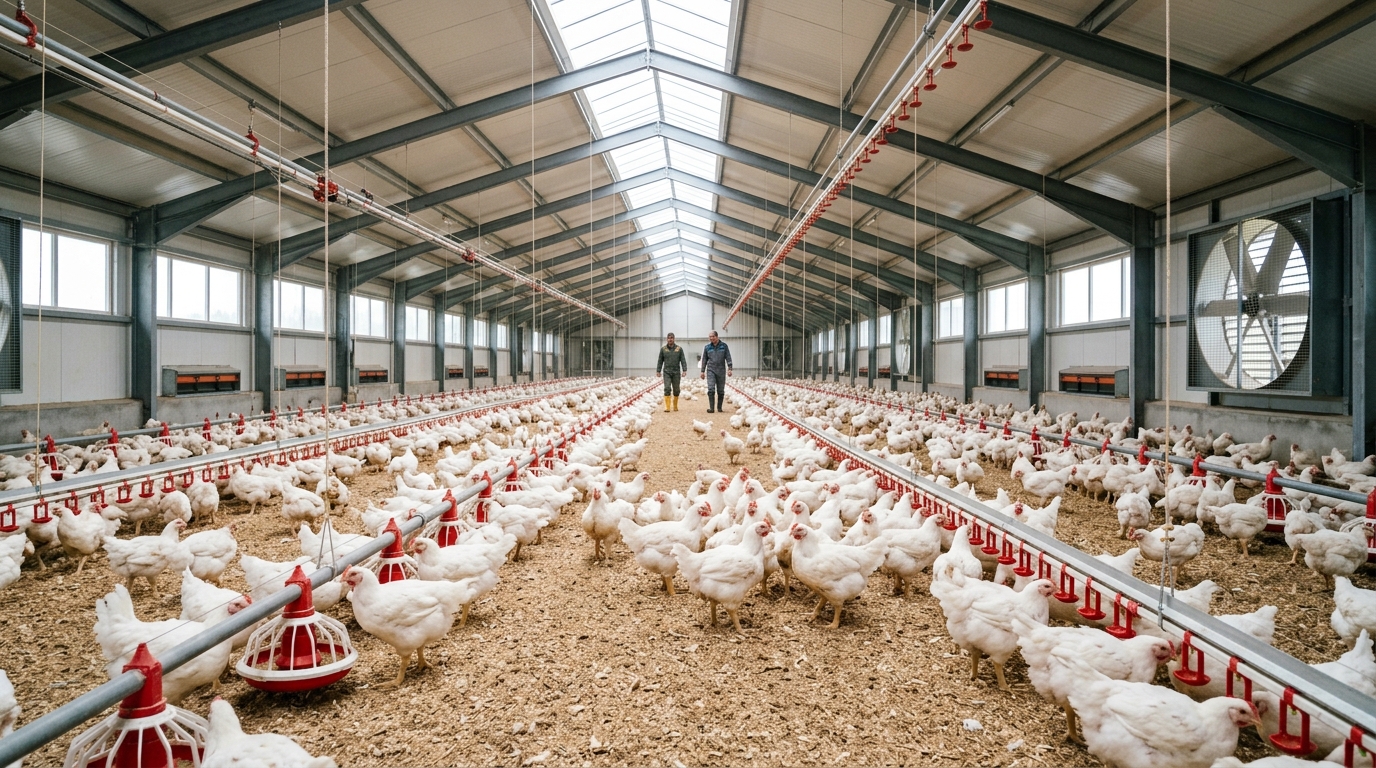
Every Production Challenge Has a Cost. We Help You Reduce It.
Science-backed veterinary insights that help identify nutritional gaps and biological challenges affecting farm performance.
Feed Conversion Ratio (FCR)
Feed is the single largest expense in poultry production, accounting for 60-80% of total production costs. Even a small increase in FCR can translate into tonnes of additional feed consumption over a production cycle, significantly reducing profit margins. Poor nutrient utilization, digestive inefficiencies, stress, and suboptimal gut health often prevent birds from converting feed into body weight efficiently. Our nutritional solutions are designed to improve feed utilization, helping birds grow efficiently while reducing feed wastage and production costs.
Gut Health
Not every production loss begins with disease. When gut health is compromised, birds absorb fewer nutrients from the same amount of feed. This often leads to slower growth, inconsistent flock uniformity, reduced immunity, increased medication costs, and poorer overall performance. Maintaining a healthy digestive system allows birds to make better use of every gram of feed while building stronger natural defences.
Loose Droppings & Wet Litter
Wet litter is often treated as a management issue, but its impact goes much further. Excess moisture increases ammonia production, damages footpads, reduces bird comfort, promotes bacterial growth, and raises the risk of myiasis and other respiratory diseases. It also increases labour requirements and litter replacement costs. Supporting digestive efficiency helps produce firmer droppings, healthier litter, and a more productive growing environment.
Mycotoxin Management
Feed can look perfectly normal while silently reducing flock performance. Mycotoxins contaminate up to 60% of crops worldwide each year and can significantly reduce feed efficiency, suppress immunity, damage the liver, impair reproduction, and increase mortality-all without obvious early warning signs. Protecting birds from hidden feed contaminants helps preserve performance, improve flock health, and reduce avoidable economic losses.
Egg Production
A small decline in laying percentage may seem insignificant-but across thousands of birds, it quickly becomes a substantial financial loss. Nutritional deficiencies, oxidative stress, poor gut health, and metabolic challenges can all reduce laying persistence and flock consistency. Supporting reproductive health helps maintain egg production, improve flock uniformity, and maximize profitability throughout the laying cycle.
Male Fertility
Every infertile egg represents lost production potential. Poor semen quality and reduced fertility decrease hatchability, increase production costs, and lower the number of healthy chicks entering the production cycle. Providing targeted nutritional support helps maintain breeder performance and improve reproductive efficiency.
Egg Yolk Pigmentation
The first thing consumers notice isn't nutritional value-it's appearance. Pale or uneven yolks often create a perception of poor quality, reducing consumer confidence and affecting repeat purchases. For egg brands, appearance directly influences market acceptance. Consistent yolk pigmentation helps deliver the visual quality consumers expect while strengthening brand value.
Kidney Health & Gout
Kidney damage often develops gradually before visible clinical signs appear. As kidney function declines, birds become more susceptible to gout, dehydration, reduced growth, and increased mortality-especially during periods of nutritional or environmental stress. Supporting kidney health helps maintain productivity while reducing losses associated with metabolic disorders.
Early Chick Nutrition
A chick only gets one chance to start well. Research consistently shows that early feed intake and intestinal development influence lifetime growth, feed efficiency, and immune competence. A poor start often results in reduced body weight that becomes difficult to recover later. Providing targeted nutritional support during the first week helps build stronger, healthier birds capable of reaching their full genetic potential.
Ammonia Management
Poor air quality quietly reduces productivity every single day. High ammonia levels damage the respiratory tract, reduce feed intake, increase stress, compromise immunity, and make birds more susceptible to disease outbreaks. Creating a cleaner environment supports healthier birds, better welfare, and improved production efficiency.
Fly Management
Flies are more than a nuisance-they're efficient carriers of pathogens. Heavy fly populations increase disease transmission, compromise biosecurity, stress birds, and create sanitation issues that affect farm operations and customer confidence. Effective fly management contributes to healthier flocks and cleaner production facilities.
Vaccine Dye Indicator
Even the best vaccine cannot protect a bird that wasn't properly vaccinated. Poor visibility during vaccination can lead to inconsistent application, leaving parts of the flock unprotected and increasing the risk of disease outbreaks. Clear vaccine identification helps improve administration accuracy and ensures more uniform flock protection.