 Start With Us
Water Ecology & Aquatic Nutrition Formulations for Shrimp & Fish
Aquatic health depends on water ecology and bioavailable nutrition. We manufacture high-potency probiotics, pond bio-remediators, immune modulators, and feed binders engineered for intensive shrimp and commercial fish aquaculture.
Every Production Challenge Has a Cost. We Help You Reduce It.
Science-backed aquaculture insights that help identify nutritional gaps and biological challenges affecting farm performance.
Growth Promotion
Every extra day in the pond increases production costs. Feed represents 50–70% of total aquaculture production costs, making growth performance and feed efficiency the biggest drivers of profitability. When shrimp or fish fail to utilize nutrients efficiently, farmers spend more on feed while harvesting smaller animals and extending the culture period. Our nutritional solutions help maximize nutrient utilization, improve growth performance, and shorten culture cycles - allowing farmers to harvest healthier animals in less time while improving returns on every crop.
Pond Soil Management
A pond may look healthy on the surface while serious problems develop below. Over time, uneaten feed, faecal waste, dead plankton, and organic sludge accumulate on the pond bottom. As this waste decomposes, it releases harmful gases such as ammonia (NH₃) and hydrogen sulfide (H₂S), creating stressful conditions that reduce feed intake, weaken immunity, and increase mortality. Maintaining a healthy pond bottom supports beneficial microbial activity, reduces toxic waste accumulation, and creates a stronger foundation for consistent production.
Pond Water Management
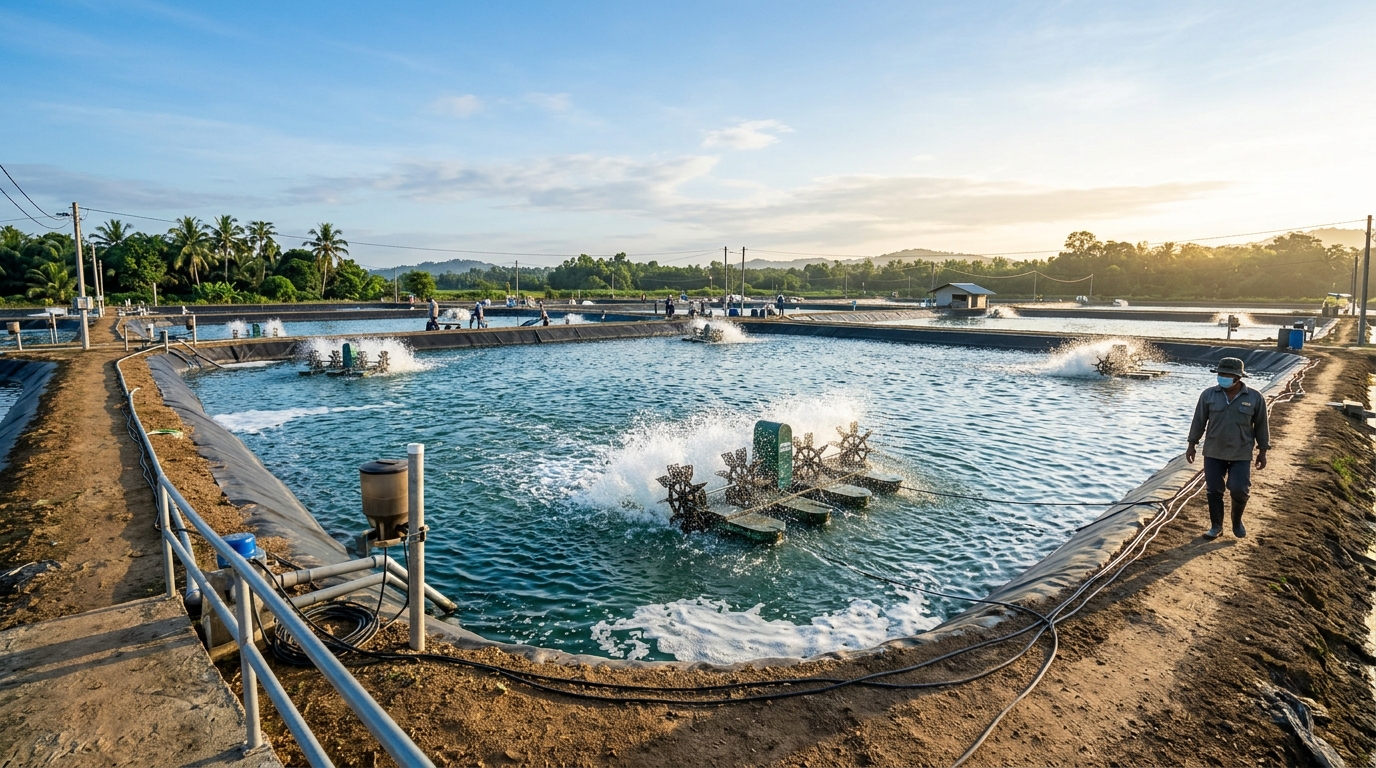
In aquaculture, water isn't just where animals live-it's the most important production input. Fluctuations in dissolved oxygen, pH, ammonia, nitrite, or microbial balance can quickly reduce appetite, slow growth, increase stress, and trigger disease outbreaks. Poor water quality often leads to lower survival rates, higher feed costs, and reduced harvest weights. Supporting a balanced aquatic ecosystem helps maintain stable water conditions, healthier animals, and more profitable culture cycles.
Digestive Health
Feed is too valuable to become pond waste. Poor digestion means nutrients pass through the animal instead of being converted into growth. The result is poor Feed Conversion Ratio (FCR), slower growth, increased organic waste, deteriorating water quality, and higher production costs. Improving digestive efficiency allows shrimp and fish to utilize more nutrients from every meal, supporting better growth while reducing feed wastage and environmental impact.
Immune Support
Disease outbreaks remain one of the biggest threats to profitable aquaculture, costing the global industry billions of dollars every year through mortality, poor growth, increased treatment costs, and crop failures. Environmental stress, poor water quality, and nutritional deficiencies weaken the natural immune system, making aquatic animals more vulnerable to bacterial, viral, and parasitic infections. Strengthening natural immunity helps improve resilience, maintain healthier stocks, increase survival rates, and support more consistent production throughout the culture cycle.