 Start With Us
Targeted Growth & Digestive Support Formulations for Swine Production
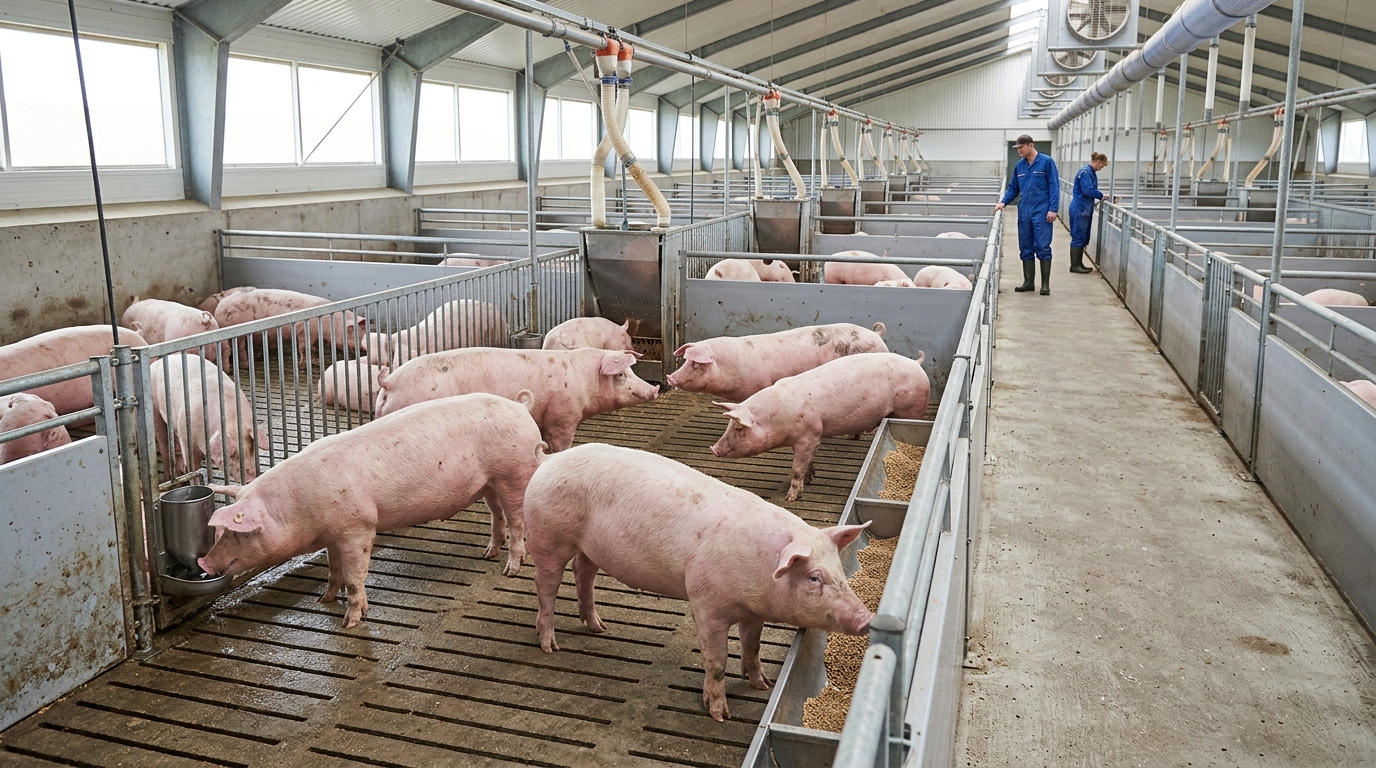
Optimizing average daily gain and feed conversion while reducing mortality is crucial for commercial herds. We manufacture specialized feed premixes and digestive stabilizers that protect early gut health and accelerate days to market.
Every Production Challenge Has a Cost. We Help You Reduce It.
Science-backed veterinary insights that help identify nutritional gaps and biological challenges affecting farm performance.
Gut Health & Diarrhea Management
The weaning period is one of the most critical and stressful stages in swine production. Digestive disorders and post-weaning diarrhea remain among the leading causes of poor growth, increased medication costs, reduced feed intake, and mortality in piglets. Even animals that recover often require more time and feed to reach market weight, reducing production efficiency. Poor gut health also limits nutrient absorption, weakens immunity, and increases susceptibility to secondary infections, creating a cycle of recurring production losses. Supporting digestive health helps maintain intestinal integrity, improve nutrient utilization, promote healthier gut microflora, and build stronger, more resilient pigs from weaning through finishing.
Healthy Growth & Weight Gain
Every extra kilogram of feed should contribute to growth-not simply maintenance. Feed accounts for approximately 60–70% of the total cost of swine production, making growth rate and feed efficiency two of the most important drivers of profitability. When pigs grow slowly, farmers spend more on feed, labour, housing, and utilities while delaying market readiness. Poor weight gain is often linked to digestive inefficiencies, nutritional imbalances, environmental stress, or suboptimal feed conversion. Providing targeted nutritional support helps improve nutrient utilization, optimize feed efficiency, encourage consistent Average Daily Gain (ADG), and reduce the number of days required to reach market weight.